You Are What You Snack: The Surprising Science of How Late-Night Food Shapes Your Dreams
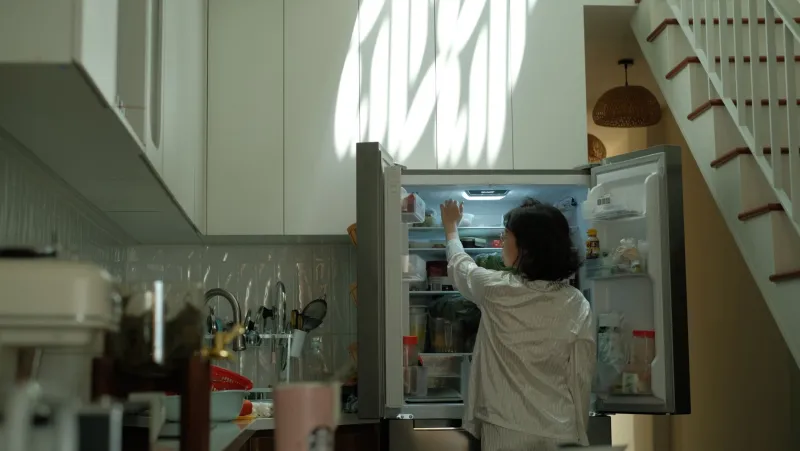
It's 11:47 p.m. You're standing in front of an open refrigerator, bathed in that familiar blue glow, weighing your options. Leftover pizza? A handful of chips? Maybe some cheese and crackers if you're feeling fancy. It feels like a harmless little ritual — one of those small, private joys of adult life.
But here's the thing: whatever you grab next might be quietly co-writing tonight's dream script.
Sleep researchers have spent years untangling the strange relationship between food and the sleeping brain, and what they're finding is genuinely surprising. The timing of your last meal, the specific ingredients it contains, and even how much you eat can all influence whether you wake up from a lush, cinematic dream — or bolt upright at 3 a.m. from something you'd rather forget.
Why Your Sleeping Brain Cares About Your Snack Choices
To understand the connection, you have to understand REM sleep — the stage where most vivid dreaming happens. REM (Rapid Eye Movement) sleep typically kicks in about 90 minutes after you fall asleep and grows longer in the later cycles of the night. During REM, your brain is almost as active as when you're awake, processing emotions, consolidating memories, and apparently, staging elaborate theater that only you get to watch.
What you eat before bed can directly affect how you move through sleep cycles. Digestion requires energy, and a heavy late-night meal can elevate your core body temperature and metabolism — both of which are known to disrupt sleep architecture. When your body is working overtime to process food, it can push you into lighter sleep stages more frequently, which means more interruptions to REM. And interrupted REM, researchers note, can make dreams feel more fragmented, emotionally charged, or just plain strange.
On the flip side, certain foods can actually support the kind of deep, sustained REM sleep where the most memorable and emotionally positive dreams tend to happen.
The Ingredients That Are Running the Dream Show
Tryptophan is probably the most famous sleep-adjacent nutrient, mostly because of its association with Thanksgiving turkey and post-feast naps. It's an amino acid the body uses to produce serotonin and, eventually, melatonin — the hormone that signals your brain it's time to wind down. Foods rich in tryptophan include turkey, eggs, dairy, nuts, and seeds. Consuming these in the evening may gently ease you into sleep and support more stable REM cycles, potentially making dreams feel more coherent and emotionally grounded.
Sugar, on the other hand, is a different story. A late-night dessert or sugary snack causes a spike in blood glucose, followed by a drop — and that metabolic rollercoaster can jolt you between sleep stages throughout the night. Some sleep researchers believe this disruption correlates with more intense, bizarre, or anxiety-tinged dreams. Think of it as your brain trying to process emotional content while running on unstable fuel.
Spicy foods have a well-documented effect on body temperature. Capsaicin, the compound that gives hot peppers their kick, raises core body temp — and since your body naturally needs to cool down to enter and maintain deep sleep, spicy late-night meals can fragment your sleep and amplify dream intensity. Anecdotally, plenty of people report more vivid or unsettling dreams after a spicy dinner, and some small studies back this up.
Cheese and dairy have long been the subject of folk wisdom about weird dreams, and there might actually be something to it. Dairy is high in tryptophan, which sounds like a plus — but aged cheeses also contain tyramine, an amino acid that triggers the release of norepinephrine, a stimulating brain chemical. The result can be a brain that's simultaneously sleepy and slightly revved up, which some researchers believe creates the conditions for especially vivid, emotionally intense dreaming.
Alcohol deserves a mention here too, even though it's a drink rather than a snack. Many Americans wind down with a glass of wine or a beer, assuming it helps them sleep. And it does — initially. But alcohol suppresses REM sleep in the first half of the night, then causes a REM rebound in the second half that can produce unusually intense, sometimes disturbing dreams. It's essentially borrowing against your dream quality.
The Timing Factor Nobody Talks About
Beyond what you eat, when you eat matters enormously. Eating a large meal within two to three hours of bedtime forces your digestive system into high gear right when your body is trying to transition toward rest. Your heart rate stays elevated, your stomach is active, and the whole system is primed for wakefulness — not sleep.
Smaller snacks eaten about an hour before bed tend to have a gentler effect. The goal is to take the edge off hunger (which itself can disrupt sleep) without triggering the full metabolic response of a real meal.
Dream-Friendly Snacking: A Practical Guide
So what should you actually reach for if you want richer, more positive, more memorable dreams?
Go-to options: A small bowl of oatmeal with a drizzle of honey, a handful of walnuts, a banana with almond butter, or a few whole-grain crackers with hummus. These foods combine complex carbohydrates (which help tryptophan cross the blood-brain barrier) with protein and healthy fats, creating a gentle, sustained effect on blood sugar and serotonin levels.
Worth limiting: Spicy chips, sugary desserts, heavy fast food, aged cheeses in large quantities, and alcohol. None of these are dream-friendly in the late-night window.
The wild card: Some research suggests that vitamin B6 — found in chickpeas, bananas, and fortified cereals — may actually enhance dream vividness and recall. A few small studies have found that participants who supplemented with B6 reported more colorful, detailed, and emotionally memorable dreams. It's not a magic pill, but it's an interesting data point for the dream-curious among us.
Your Midnight Ritual Is Part of Your Dream Life
At Droomit, we talk a lot about the space between waking life and the world your sleeping brain creates — and it turns out that space isn't as separate as we think. The choices you make in those quiet late-night hours, down to what you're snacking on, are quietly setting the stage for where your mind goes next.
That doesn't mean you need to overhaul your entire evening routine or swear off pizza forever. But it does mean that if you've been curious about your dream life — if you want to remember more, feel better upon waking, or just have fewer of those anxious, scattered dream nights — the answer might be sitting right there in your kitchen.
Dream intentionally. Even your snack choices can be part of that.