Choosing Ease Isn't Giving Up — It's the Life You Were Always Supposed to Want
Choosing Ease Isn't Giving Up — It's the Life You Were Always Supposed to Want
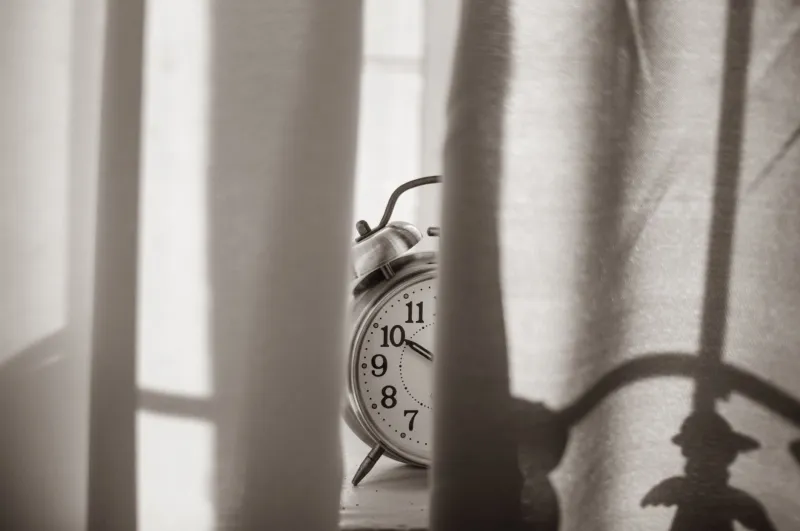
Somewhere along the way, America got sold a story. Work harder. Rise and grind. Sleep when you're dead. And for a long time, a lot of us bought it — alarm clocks set for 5 a.m., side hustles stacked on top of full-time jobs, guilt trailing us every time we sat down to do absolutely nothing.
But something is shifting. Quietly, then loudly, then everywhere all at once. People are opting out. Not out of ambition, exactly — but out of the idea that suffering is the price of a life well lived.
Welcome to the soft life. And before you roll your eyes, hear this out.
What Even Is the 'Soft Life'?
The phrase bubbled up from Black women on social media — particularly on Nigerian Twitter and TikTok communities — and it carried a specific meaning: choosing comfort, joy, and ease as a default, not a destination. Not something you earn after decades of grinding. Not a vacation you take twice a year. A baseline.
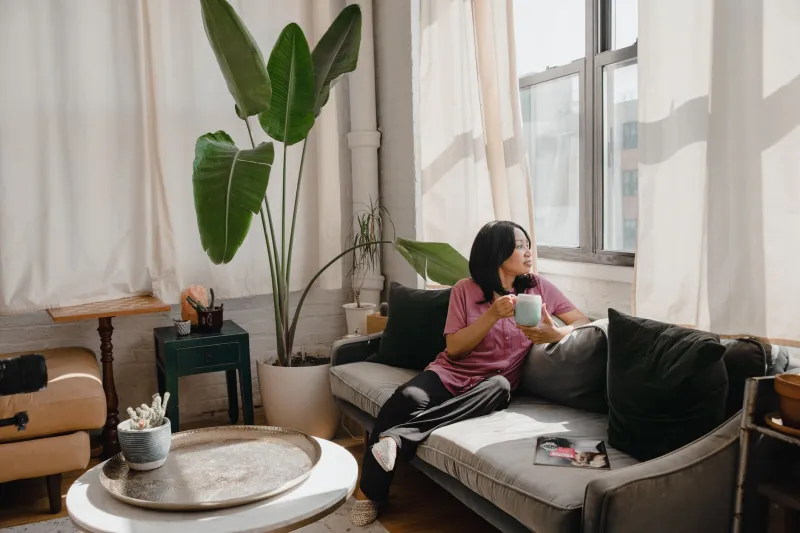
In the US, the idea has taken on its own flavor. It's the person who stops scheduling every weekend into oblivion and actually reads the book on the porch. It's the professional who turns down the promotion that would require sacrificing their mental health. It's the millennial who finally, defiantly, orders the good coffee without calculating whether they deserve it.
It sounds small. It is not small.
Why Now? Why This?
The timing makes a lot of sense when you look at the cultural exhaustion underneath it. The pandemic cracked something open in the American psyche. Millions of people watched their carefully constructed routines collapse — and then, in the wreckage, some of them noticed something unexpected: a little stillness felt kind of okay.
Then came the Great Resignation. Then quiet quitting. Then loud quitting. Each wave a variation on the same theme: this deal we made isn't working for us anymore.
Gen Z is arguably leading the charge right now, but they're not alone. Older millennials — the ones who were told to be grateful just to have a job, who graduated into a recession and hustled their way through their twenties — are exhausted in a bone-deep way. They didn't just burn the candle at both ends. They lit it on fire and called it ambition.
The soft life isn't a trend for them. It's a reckoning.
Psychology Has Thoughts on This (Good Ones)
Here's where it gets interesting. The cultural conversation around rest and ease isn't just vibes — it's backed by a growing body of research that grind culture has been quietly ignoring.
Psychologists who study well-being have long known that chronic stress doesn't just feel bad — it actively degrades the quality of your thinking, your creativity, and your decision-making. The brain under sustained pressure is not performing at its best. It is surviving.
Meanwhile, studies on what's called positive affect — basically, experiencing regular moments of genuine pleasure and ease — show that people who feel good more consistently tend to be more productive, more creative, and more resilient when hard things actually happen. Joy isn't a distraction from your goals. For a lot of people, it's the engine.
There's also the concept of psychological safety — the internal sense that you are not constantly under threat. When people feel safe, they take better risks. They think more expansively. They dream bigger. Ironically, the person who gives themselves permission to rest might be the one who ends up building something more meaningful than the person who never stops moving.
The Guilt Is the Point
One of the most revealing things about the soft life conversation is how much resistance it generates. Call something lazy on the internet and watch the responses pour in. There's a particular American fury reserved for people who seem to be enjoying themselves without visible suffering.
That fury is worth examining. Because it says something about what we've been conditioned to believe — that ease is unearned, that comfort is suspicious, that pleasure is something you have to justify. We have collectively internalized the idea that a person's worth is measured by their output, their productivity, their willingness to sacrifice.
And when someone steps outside that framework and says, actually, I'm going to prioritize feeling good in my daily life — it doesn't just challenge their choices. It challenges everyone else's. Which is uncomfortable. Which is exactly why it matters.
Living It Without Losing Yourself
Now, to be clear: the soft life isn't a permission slip to abandon everything that matters to you. It's not about checking out or going numb. The people who are genuinely living this way aren't doing nothing — they're doing things differently.
They're being intentional about what they say yes to. They're protecting their energy the way previous generations protected their paychecks. They're asking, before committing to something: does this add to my life, or does it just add to my schedule?
That's not laziness. That's discernment. And honestly, it's a skill most of us were never taught.
The dream version of your life — the one you've always half-imagined but never quite let yourself want out loud — probably isn't a life of endless striving and delayed gratification. It probably has some softness in it. Some slow mornings. Some meals you actually tasted. Some evenings where you weren't preparing for tomorrow.
The Permission Slip You Didn't Know You Needed
Here's the provocation, the thing worth sitting with: What if the good life isn't on the other side of the grind? What if it was always supposed to include the good stuff along the way?
America has spent generations treating enjoyment as a reward for productivity. But a growing number of people are starting to flip that equation — and finding that when life feels worth living now, they're actually more motivated, more focused, and more capable of creating the things they genuinely care about.
The soft life isn't about giving up on your dreams. It might just be the most honest way to start living inside them.
So go ahead. Dream it. Then — and this is the radical part — let yourself live it while you're still here to enjoy it.