The $600 Nap: Inside America's Sleep Tourism Boom
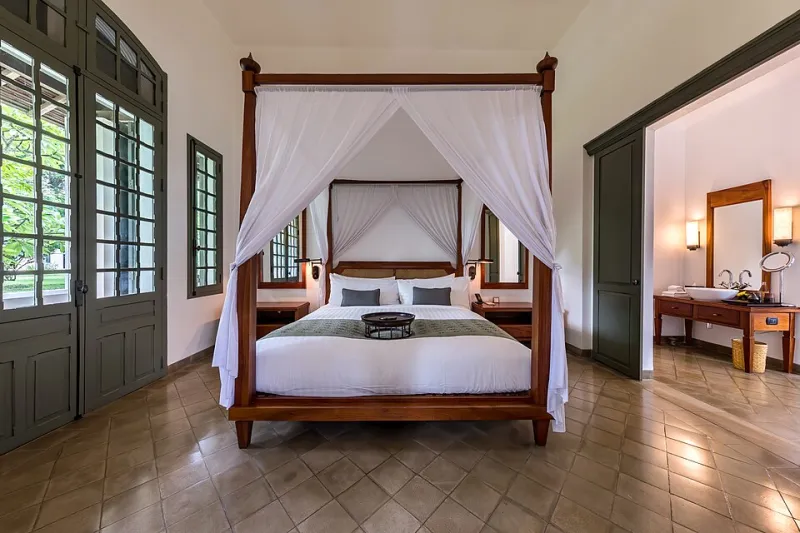
Photo: Basile Morin, CC BY-SA 4.0, via Wikimedia Commons
The hotel room has blackout curtains, a white-noise machine, a mattress that costs more than your first car, and a small card on the pillow inviting you to write down your dreams. There is no TV. There is no minibar. There is, however, a $600 nightly rate.
Welcome to sleep tourism, the travel trend where the main attraction is not a city, a beach, or a theme park. It is unconsciousness. Or, more precisely, the feeling of finally getting good sleep somewhere that is not your own apartment.
Across the US, hotels and retreat centers are leaning into the idea that rest is a destination. Some packages are genuinely thoughtful. Some are clever marketing wrapped in linen. If you are curious about booking a dream-minded trip in 2026, here is what you are actually paying for — and what to watch out for.
From spa weekend to sleep weekend
The spa weekend used to be the default reset. Now a growing number of travelers are booking trips where the schedule is mostly empty and the goal is to sleep through the night. Call it the sleepcation. Call it a rest retreat. Call it whatever gets you to leave your phone in a drawer.
The appeal is obvious. Americans are tired. Burnout, screen time, and the general hum of modern life have made rest feel like a luxury good. Hotels are happy to sell it back to us with better pillows. Dream recall has become a bonus feature: some properties offer guided morning journaling, dream-themed workshops, or wake-up windows designed to help guests remember what their brains did overnight.
What you're actually paying for
Sleep tourism packages tend to fall into a few tiers. The first is the room upgrade: blackout shades, soundproofing, a sleep menu, maybe a weighted blanket. The second is programming: yoga nidra, breathwork, evening wind-down rituals, morning dream journaling. The third is more clinical: retreats led by licensed sleep specialists or therapists, sometimes with structured programs for insomnia or anxiety.
The price difference between those tiers is enormous. A quiet room is one thing. A credentialed sleep intervention is another. The marketing often blurs the line.
The dream-recall pitch
The dream angle is where things get fuzzy. A hotel can absolutely create conditions that help you sleep better and remember more: less light, less noise, fewer interruptions, a slower morning. But no resort can guarantee vivid dreams or meaningful recall. Dream recall is personal and variable. It is influenced by sleep cycles, stress, alcohol, caffeine, medication, and how abruptly you wake up.
If a package promises guaranteed dream recall, treat that as entertainment, not science. The better question is whether the experience gives you permission to slow down and enough structure to actually do it.
Red flags and green flags
Red flags include guaranteed results, medical claims without licensed staff, rigid schedules that leave no room for actual rest, and pressure to buy add-ons. A retreat that promises to fix your sleep in two nights is probably selling hope with a turndown service.
Green flags include transparent staff credentials, realistic language, quiet hours that are actually enforced, flexible schedules, and a clear policy on screens and caffeine. A good sleep-focused stay should feel less like a performance of wellness and more like a well-designed pause.
How to book a dream-minded trip in 2026
Start with the basics. Ask what makes the property different from a normal hotel. Is it the room, the programming, or both? Who leads the sessions? What happens if you cannot sleep? Is there a quiet lounge, or just a lobby with a playlist?
Two nights is usually the minimum for a sleep-focused trip to feel worth the travel. One night can be a novelty. Three nights can feel indulgent in the best way. Look at the total cost, including meals and any required add-ons, not just the nightly rate.
And consider location. Desert quiet, mountain air, and lake towns are popular for a reason: they are boring in the way rest requires. If the property is next to a highway or a wedding venue, the dreamy brochure photos are doing a lot of work.
The bottom line
Sleep tourism can be a genuine wellness experience. It can also be an expensive nap in a nicer-than-usual bed. The difference is not the thread count. It is whether the trip buys you conditions for rest — not magic, not a guarantee, not a personality change.
If you go, bring a notebook. Write down whatever you remember. Then take a real vacation from judging it. Droomit's advice: book the quiet, skip the hype, and let the dream be a bonus.