That Dream Felt Like a Real Place — Because Your Brain Thinks It Was
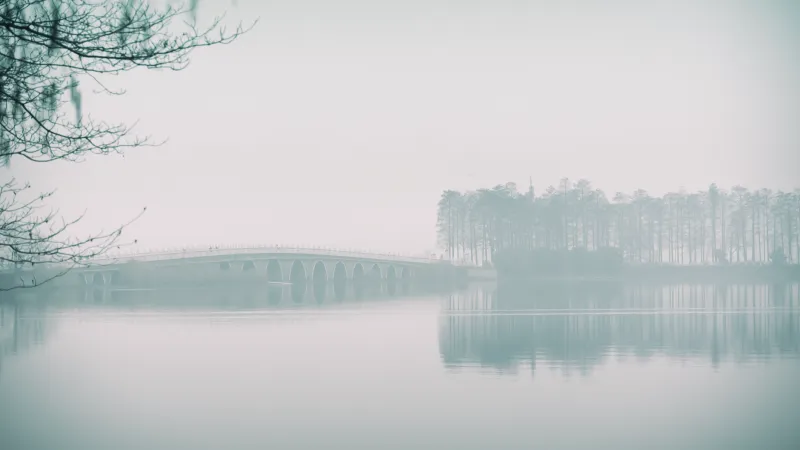
You wake up and it's already slipping — the light, the street corner, the specific way the air smelled. You've never been there. You're almost certain of it. And yet something about that dream location feels known in a way that a made-up place simply shouldn't.
If you've ever shaken off sleep with a weird, hollow nostalgia for somewhere that doesn't exist, you're not alone. Researchers have a name for the raw material behind that feeling, and it turns out your brain has been quietly doing something remarkable while you were out.
Your Brain Doesn't Store Memories Like a Hard Drive
Here's the thing most of us get wrong about memory: it isn't a recording. Every time you recall something, your brain is essentially rebuilding it on the fly — pulling fragments from different neural regions and stitching them into something coherent. The hippocampus, your brain's memory hub, is deeply involved in both storing real experiences and generating the narrative content of dreams.
During REM sleep — the stage where the most vivid dreaming happens — your hippocampus is firing in patterns that look remarkably similar to what it does when you're actually navigating a physical space. Some neuroscientists describe it as a kind of offline rehearsal, where the brain replays, reorganizes, and occasionally remixes the day's experiences.
That remixing is where things get interesting. Your sleeping brain doesn't always label its sources clearly. It might pull the architecture of your childhood home, the emotional tone of a first date, and the ambient sounds of a city you passed through once — and fuse them into a single, seamless location. When you wake up, the emotional signature of that place is intact even if the logic isn't. Your brain files it alongside real memories because, neurologically speaking, it processed it the same way.
The False Memory Connection
Researchers who study false memories — the phenomenon where people confidently recall events that never happened — have found that the same cognitive machinery is at work in both dreaming and misremembering. Dr. Elizabeth Loftus, whose decades of research on memory malleability has reshaped how we understand the mind, has shown that memory is far more reconstructive than most people assume.
Dreams exploit that same reconstructive quality. When your brain generates a vivid dreamscape complete with texture, temperature, and emotional weight, it's using the same encoding processes it uses for genuine experience. The result? A memory trace that feels real because it was processed as real — just during a different state of consciousness.
This is also why some researchers believe dreams may play a role in what's sometimes called "source monitoring errors" — moments when you can't quite remember whether something happened in real life or in a dream. Sound familiar? Most of us have had that disorienting morning moment of wondering, wait, did I actually send that email, or did I dream it?
The Emotional Residue Nobody Talks About
What makes the "almost memory" dream particularly haunting isn't just the visual familiarity — it's the feeling. Researchers studying the emotional aftereffects of dreaming have found that the limbic system, the brain's emotional processing center, doesn't fully distinguish between real and dreamed experiences when it comes to laying down emotional memory.
In plain terms: your brain can grieve a place that never existed. It can feel homesick for a dream.
Psychologists sometimes refer to this as "dream affect carry-over," the way emotional tones from dreams bleed into waking hours. For some people, it's a mild wistfulness. For others, it's a persistent, low-grade longing for a location they couldn't find on any map — which, when you think about it, is one of the stranger experiences a human being can have.
Americans Are Mapping Their Inner Worlds
Maybe that's why so many people are refusing to just let those places go.
Across the US, a quietly growing community of dreamers has started treating their nocturnal landscapes like travel destinations worth documenting. Dream journaling has been around forever, but the newer iteration goes further — people are sketching floor plans of recurring dream houses, painting the color of skies they've only seen with their eyes closed, and building detailed written descriptions of streets and neighborhoods their waking selves have never visited.
Subreddits dedicated to recurring dream locations have tens of thousands of members sharing eerily similar descriptions — a vast dream mall, an endless coastal highway, a school that's somehow always unfamiliar and familiar at once. The collective recognition is part of what makes these communities feel electric. You've been there too?
Some people are going even further, using tools like Midjourney or other AI image generators to externalize their dreamscapes — feeding in written descriptions and generating images that approximate what their sleeping minds constructed. The results are often uncanny. "It's not exactly right," one Reddit user wrote beneath a generated image of their recurring dream city, "but it's close enough to make me feel something."
Why Revisiting Dream Destinations Might Actually Matter
Beyond the creative appeal, there's a legitimate psychological case for engaging with these dream memories rather than dismissing them.
Some therapists working within the framework of dream analysis suggest that recurring dreamscapes often represent emotional states or unresolved experiences that the brain keeps returning to — not because something is wrong, but because something hasn't been fully processed yet. Treating those places as worth revisiting, rather than shaking them off with your morning coffee, can be a form of emotional attentiveness.
Keeping a dream journal — even just jotting a few sensory details before they evaporate — has been linked in some studies to improved self-awareness and creative output. The act of translating a dream into language forces a kind of reflection that most of us skip in the rush to start the day.
And for the more creatively inclined, those phantom places are raw material. Writers, illustrators, game designers, and musicians have long drawn from the well of their dreamscapes. The logic of dreams — where a place can feel ancient and brand-new simultaneously, where geography bends without apology — is genuinely difficult to manufacture consciously. But your sleeping brain hands it over for free.
The Places That Never Were (But Kind of Were)
There's something quietly profound about the fact that your brain is capable of generating experiences so rich that your waking self mourns their unreality. It says something about the depth of what's happening in there every night, mostly unwitnessed.
The next time you wake up with that hollow, half-familiar ache — that sense of having left somewhere real — maybe don't rush past it. Grab a pen. Sketch the skyline. Write down the feeling before it goes.
That place existed, in every way that neurologically matters. Your brain built it, filed it, and gave it an emotional address. The least you can do is visit it one more time before you start your day.