Tuning In to Dream: How Americans Are Building the Perfect Sonic Backdrop for Sleep
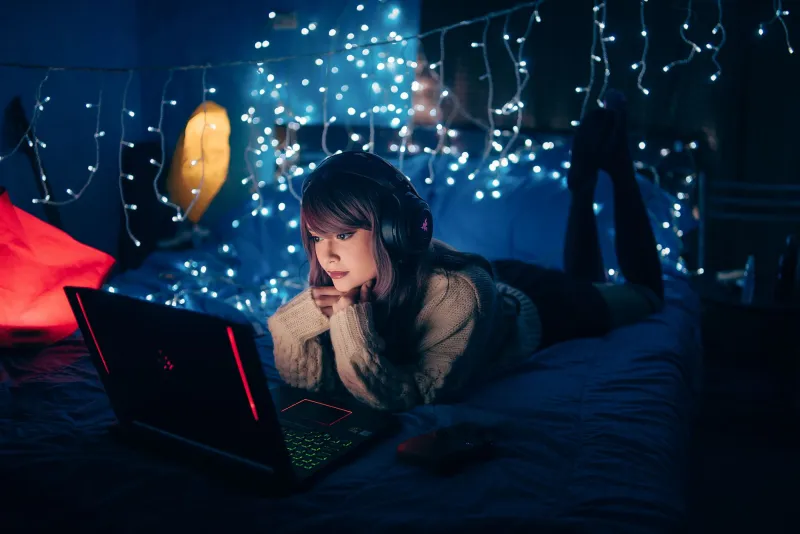
Somewhere between brushing your teeth and drifting off, a surprisingly intentional ritual is happening in bedrooms across America. People are cuing up carefully chosen audio — not just to fall asleep faster, but to guide where their sleeping minds will wander. Welcome to the world of dream soundscaping, where your playlist isn't background noise. It's a blueprint.
This isn't your grandma's white noise machine. We're talking curated delta wave tracks, AI-generated forest ambiences, lo-fi beats that feel like a hug, and binaural audio engineered to nudge your brain into specific frequency states. The people doing this aren't fringe experimenters anymore. They're your coworkers, your college roommates, your neighbors — and they have opinions about their sleep audio.
The Science Behind the Sound
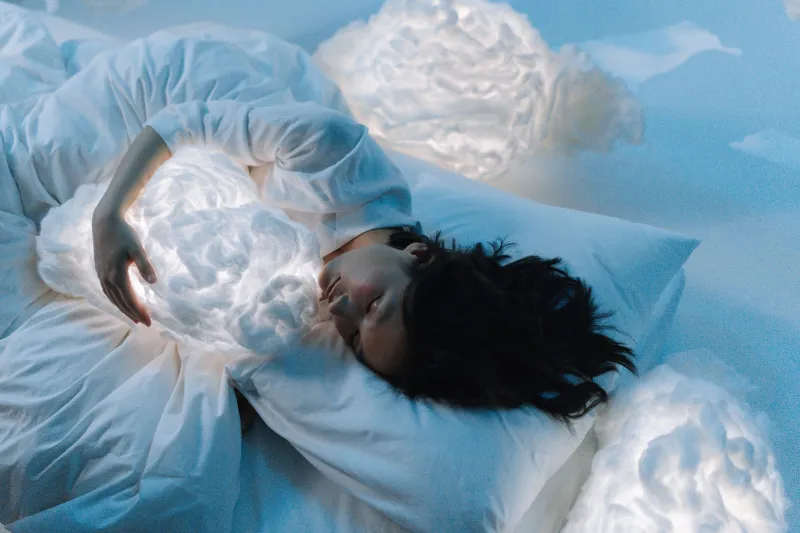
Here's the part that makes this more than just a vibe: your brain genuinely responds to what it hears while you sleep. During the transition from wakefulness into deeper sleep stages, the auditory cortex doesn't fully shut down. Sounds can weave themselves into the fabric of your dreams — a passing car becomes a racetrack, rain tapping your window turns into an ocean crossing.
Researchers have explored something called "targeted memory reactivation," a process where sounds played during sleep can reinforce memories or emotional states from waking life. While most of the clinical work focuses on learning and memory consolidation, the creative leap — that specific sounds might color the emotional tone of dreams — isn't a huge stretch. Sleep scientists note that our brains during REM sleep are highly associative, pulling from sensory input and emotional memory simultaneously.
Binaural beats, specifically, have attracted serious curiosity. The concept: play a slightly different frequency in each ear, and your brain generates a third "phantom" frequency — the difference between the two. Delta frequencies (1–4 Hz) are associated with deep sleep. Theta frequencies (4–8 Hz) show up in light sleep and dreaming states. Proponents say listening to theta-range binaural tracks during wind-down can ease the brain into that hypnagogic twilight zone where the most vivid, cinematic dreams tend to happen.
Is the science fully settled? Not entirely. But the anecdotal wave is enormous — and growing.
Real People, Real Playlists, Real Dreams
Ask people about their sleep audio and they light up like you've asked about a beloved hobby. Because for many, that's exactly what it's become.
Danielle, a graphic designer in Austin, swears by a two-hour lo-fi rain track she found on YouTube. "I started using it during the pandemic just to drown out anxiety," she says. "But then I noticed I kept having these incredibly detailed dreams set in cozy indoor spaces — coffee shops, libraries, old bookstores. The rain was in the dreams. It was wild."
Marcus, a high school teacher in Chicago, takes a more structured approach. He uses an app called Endel, which generates personalized soundscapes based on time of day, weather, and heart rate. "I set it to 'sleep' mode about 45 minutes before bed. By the time my head hits the pillow, my brain has basically been talked down off a ledge," he laughs. "My dreams have gotten way more narrative. Like actual stories, not just random chaos."
Then there's the binaural crowd, who tend to be the most evangelical. Reddit communities like r/LucidDreaming and r/Binaural are full of people swapping frequency recommendations the way foodies trade restaurant tips. "I use a 6 Hz theta track with a light brown noise layer," one user posted recently, complete with a detailed dream log of what they experienced. The thread had over 400 comments.
The Apps, Artists, and Communities Making It Happen
The ecosystem around sleep audio has quietly exploded. A few years ago, your options were a white noise machine or a nature sounds CD from a gas station. Now the landscape looks completely different.
Endel and Calm have built entire product lines around sleep soundscaping, with Endel leaning heavily into AI generation and Calm offering a mix of curated music, celebrity-narrated sleep stories, and ambient tracks. Brain.fm pitches itself specifically on the neuroscience angle, claiming its audio is engineered to drive focus or relaxation at a functional level — not just aesthetically.
On Spotify and YouTube, a new genre of creator has emerged: the sleep audio artist. Channels like Relaxing White Noise, Greenred Productions, and PowerThoughts Meditation Club pull in millions of monthly listeners. Some tracks run eight hours straight. Artists like Moby — yes, that Moby — have released entire albums specifically designed for sleep, leaning into long, dissolving ambient compositions that feel less like music and more like weather.
And then there's the DIY community. On TikTok, creators share their own custom sleep mixes, complete with dream journals documenting what each combination triggered. The hashtag #SleepSounds has billions of views. People are mixing field recordings from national parks with 432 Hz "healing frequency" tones and posting the results like recipes.
Building Your Own Dream Soundtrack
If you're curious about trying this yourself, the entry point is genuinely low. You don't need special equipment or a subscription to anything. Here's a loose framework that enthusiasts tend to recommend:
Start with your emotional target. What kind of dream do you want? Adventurous and vivid? Calm and nostalgic? Dreamy and abstract? Your sound choice should match that emotional register. Rain and soft strings tend to produce cozy, introspective dreams for many people. Expansive ambient pads — think Brian Eno — often correlate with more surreal, open-landscape experiences.
Layer intentionally. Many people find that a single track gets boring or too predictable. Try combining a base layer (brown or pink noise works well) with a melodic or tonal layer on low volume. Apps like Noisli let you mix your own combinations.
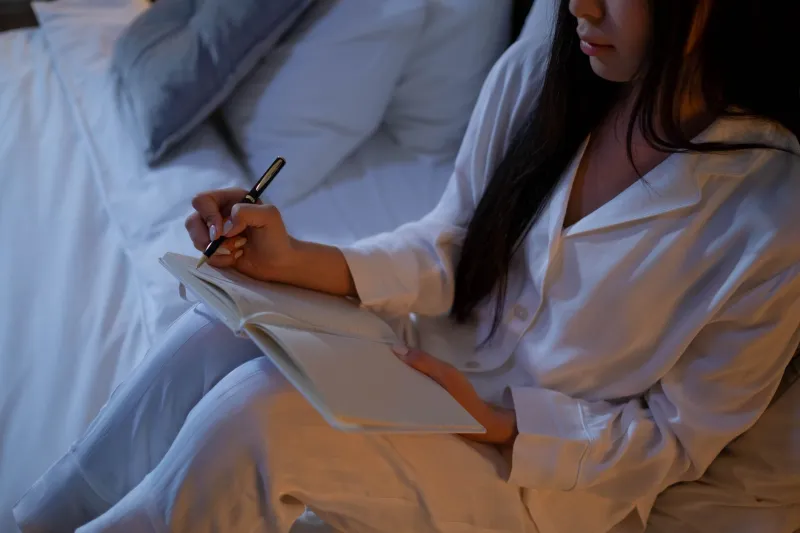
Give it time. Dream recall itself is a skill, and the sound-dream connection tends to deepen as you pay more attention to it. Keep a voice memo or notebook nearby. Even a few words jotted down right after waking can reveal surprising patterns over weeks.
Experiment with timing. Some people play audio only during wind-down and turn it off before sleep. Others run it all night. A growing group uses a sleep timer set to stop audio around 90 minutes after they fall asleep — timed to allow a full first sleep cycle before silence takes over.
The Bigger Picture
What's interesting about the sleep audio movement isn't just the science or the apps — it's what it says about how Americans are relating to sleep right now. For a long time, sleep was something that happened to you. Now, more people are treating it as a space they can actively shape, curate, and even create within.
Dream soundscaping sits at this genuinely fascinating crossroads of wellness, creativity, and self-expression. It's personal in a way that a supplement or a sleep tracker can't quite be. The playlist you build says something about the inner world you want to visit.
And honestly? That's very Droomit. Dream it. Then cue it up.